Thunderstorm asthma: ten years on from Melbourne’s ‘perfect’ storm
For Melbourne man Claudio, having issues with his breathing was nothing particularly unusual.
A long history of asthma meant he had become accustomed to it.
But on the evening of 21 November, 2016, it took the concern of strangers and persistence from friends to convince him that something was seriously wrong.
Out walking with a hiking group from Port Melbourne towards St Kilda, Claudio was struggling to keep up.
"People from four metres away were coming up to ask me if I could breathe, I was like 'Yeah why?', and they were telling me they could hear my lungs from there," he recalled.
Despite repeated concerns, Claudio initially brushed off their warnings. Eventually, the group leader insisted he needed medical attention.
"I said, 'Listen, we're going to for a pizza, after that I'll go the hospital.'"
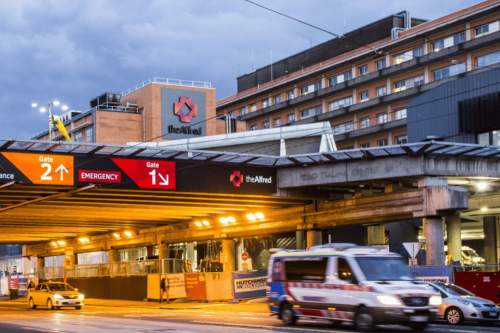
When Claudio walked into The Alfred’s emergency department at 8pm, it was unlike anything he had seen before.
"I looked around the emergency room and asked the staff, 'Is this normal for a Monday night?' They said no!”.
Even more peculiarly, all the patients around him had the same symptoms.
Unbeknownst to most, Melbourne was experiencing an unprecedented public health emergency known as thunderstorm asthma.
A rare combination of extreme grass pollen levels and severe thunderstorm conditions triggered a mass outbreak of acute respiratory illness, leading to over 3,500 patients presenting at emergency departments, GP clinics and pharmacies across the city.
For Alfred respiratory physician Dr Shivonne Prasad, then a respiratory registrar on call at the hospital, the scene was unlike anything she had experienced in her medical career.
"When I arrived it was probably one of the busiest emergency departments I've ever seen,” Dr Prasad said.
"But what was particularly unusual was that they were all presenting as respiratory patients.”
In total, The Alfred saw 243 patients present with asthma symptoms that night, including five who were admitted to the Intensive Care Unit.
“Usually I’d have two or three respiratory patients in ED; not over 240,” Dr Prasad said.
For Prof Trevor Williams, then Director of Respiratory Medicine at The Alfred, the sheer volume of patients required an extraordinary response.
“Dr Prasad, Professor Matt Naughton and I came in, joined forces with the clinicians in ED, and did our best to deal with the patients we were seeing while trying to piece together what was happening system-wide,” Prof Williams said.
Respiratory teams focused on patients requiring admission and ensuring others received appropriate treatment and follow-up.
“People kind of worked out what needed to be done and just got on with it,” Prof Williams said.
The work continued long after the crisis.
Patients discharged from hospital required monitoring, while many who had never experienced asthma symptoms before needed further assessment and support.
A/Prof Joy Lee, then an Allergy and Immunology Clinical Fellow at The Alfred, helped coordinate the large-scale patient follow-up effort.
“The night paved the way for significant research into thunderstorm asthma and allergy,” A/Prof Lee, now an Asthma and Respiratory specialist, said.
“It was really interesting to follow up these patients. A lot of them had things in common, particularly a history of hay fever and grass pollen allergy."
Research into the epidemic subsequently identified a striking pattern: almost all patients had allergic rhinitis during grass pollen season, yet 60 per cent had no previous asthma diagnosis.
“Many had asthma but didn’t recognise it as asthma. That has helped shape the public awareness and education efforts we’ve seen over the past decade."
The event prompted lasting changes in public awareness and health system preparedness, including the development of Vic Emergency’s Thunderstorm Asthma forecast alert system.
For Claudio, the night ended with treatment and eventual discharge.
But his experience remains a reminder of how easily serious symptoms can be dismissed, particularly by people who have become accustomed to living with breathing difficulties.
A decade later, those involved hope an event of the same magnitude will never happen again.
But the lessons of November 2016 remain: the importance of planning ahead and paying attention to alerts, acting early, and ensuring those at higher risk are prepared when the next ‘perfect’ storm arrives.