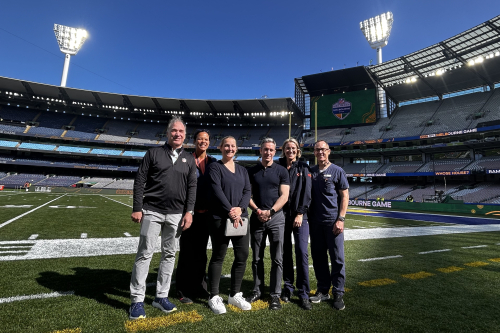
One hundred years of lifesaving asthma care at The Alfred
For 100 years, people living with asthma in Victoria have seen care transform from simple symptom relief to treatments that change lives, led by the team at The Alfred.
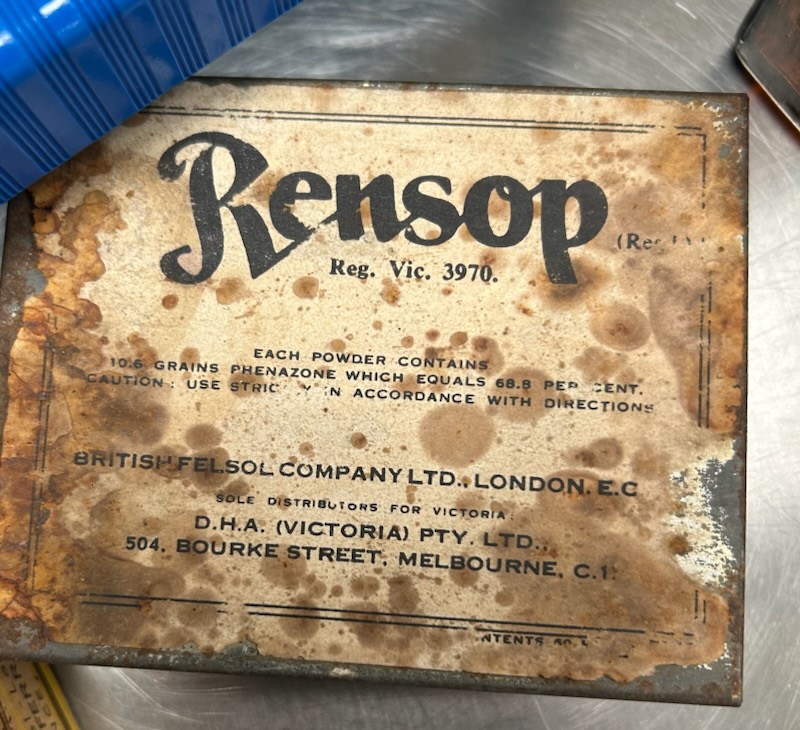
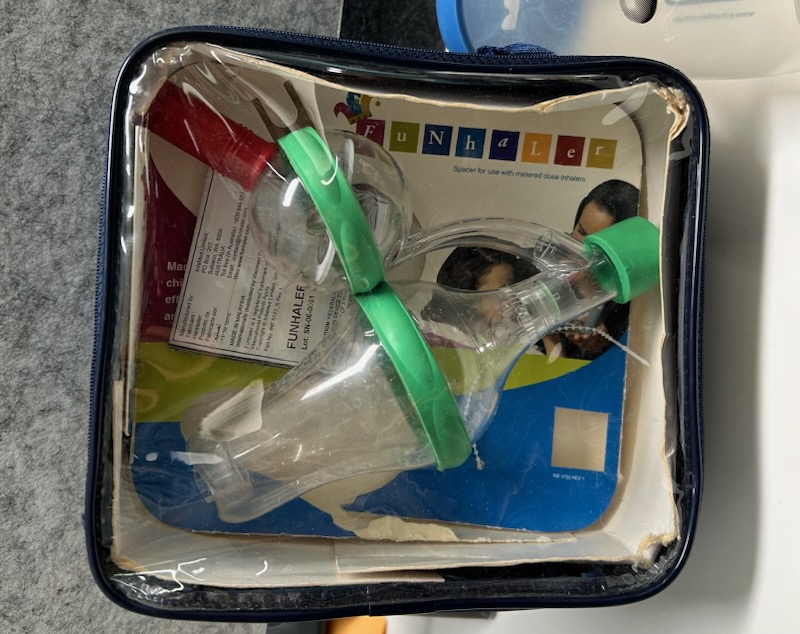
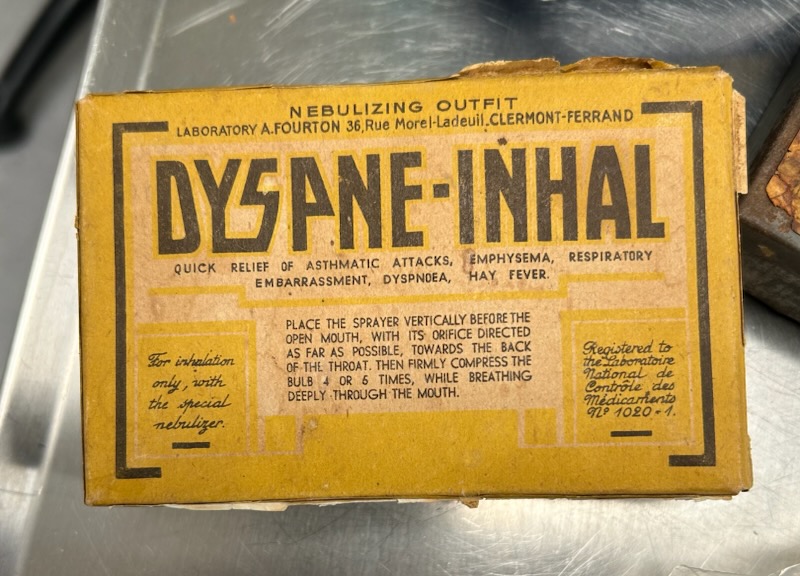
 Opening in1925 as the first Asthma and Allergy Unit in Australia, the go-to options of specialists at the time were basic inhalers and the famous ‘pink mixture’, which offered only short-term relief.
Today, patients benefit from therapies that target the underlying disease, including inhaled corticosteroids and biologic medicines that can transform severe asthma into a manageable condition.
Over the decades, the team’s focus has always been on improving quality of life, said Dr Jonathan Pham, from the Complex Airways Clinic at the Asthma, Allergy and Clinical Immunology Service.
“Our priority has always been patient outcomes—helping people control their asthma so they can stay out of hospital and get back to the things they enjoy.”
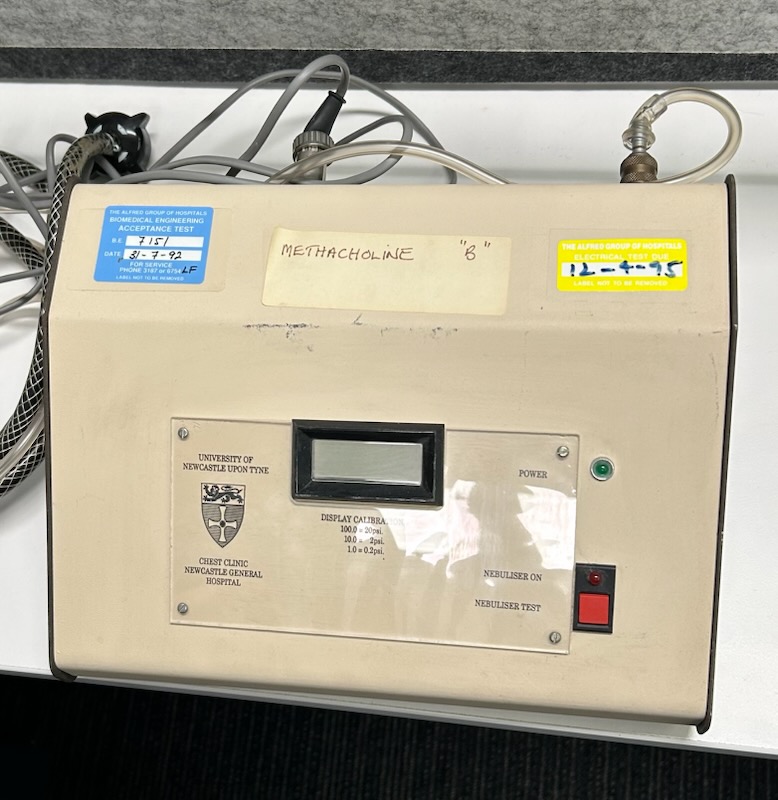
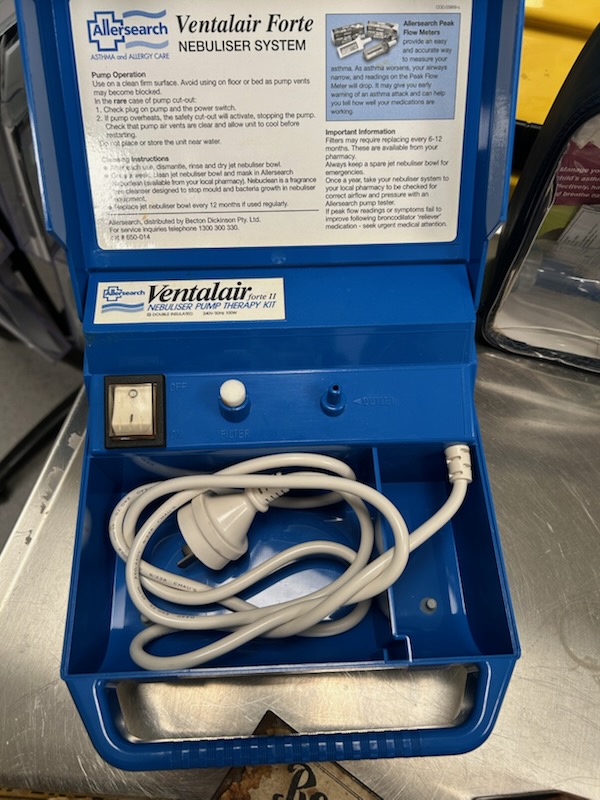 The journey has been marked by major milestones: Australia’s first dedicated inpatient asthma beds, early adoption of lung function testing, and the launch of community education programs in the 1990s to prevent severe attacks.
Today, The Alfred offers specialised clinics for complex asthma and works alongside nurses, physiotherapists, psychologists, and dietitians to provide holistic care.
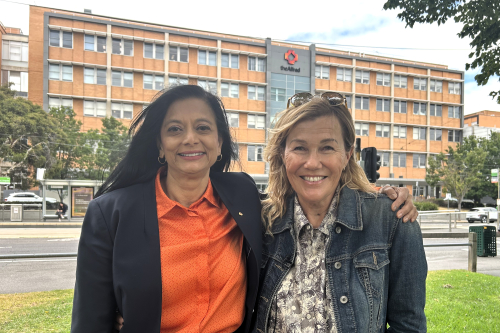
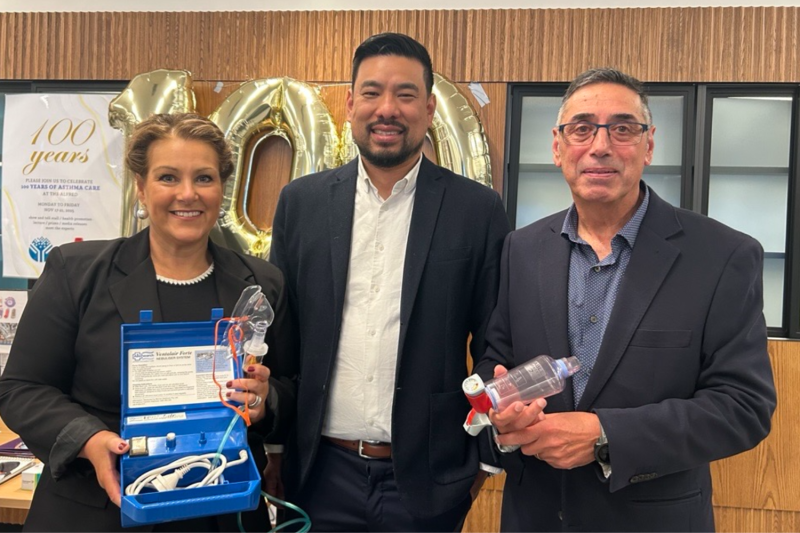
“We’ve gone from basic symptom relief to treatments that change the course of the disease,” Dr Pham said, pictured with patients Julie and Mario.
“What we’re focused on is ensuring fewer flare-ups, fewer hospital visits, and better long-term health for patients.”
 The service also plays a key role in public health, responding to challenges like the 2016 thunderstorm asthma emergency and contributing to national guidelines that shape care across Australia.
“There’s still more to do, including one day hopefully curing asthma, but the progress we’ve made gives us confidence.”
“Our goal is to keep refining care so patients can live well—not just survive asthma.”