Study unveils new research pathways to MS cure
The very thing that worried doctors about women with multiple sclerosis (MS) in pregnancy could be what leads them to a cure.
Researcher-clinicians at The Alfred and Monash University conducted a study, published in Neurology Open Access, to understand the nature of decreased brain volume occurring in pregnant women with MS, out of concern that the changes are a sign of disease progression.
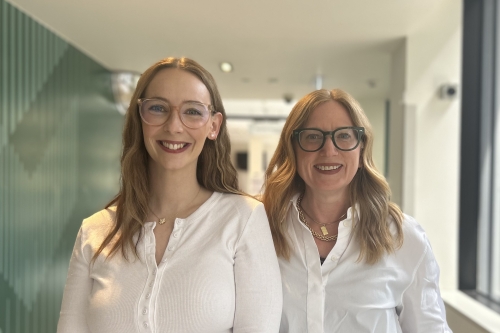
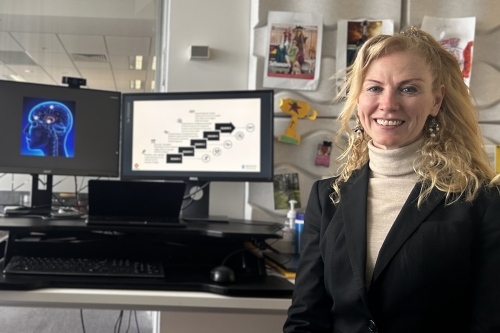
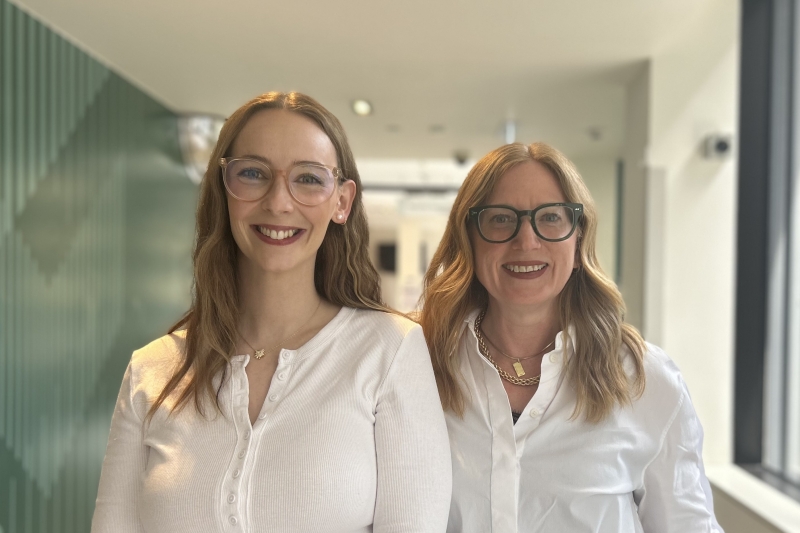
Instead, Professor Vilija Jokubaitis (right), who led the study, said the results were not only surprising, but "incredibly reassuring".
"Our study is the first to show that the brain volume changes doctors have worried about for many years after pregnancy are actually a normal physiological process," Professor Jokubaitis said, "It's not harming women at all."
In fact, Professor Jokubaitis said the reduction in brain volume is part of a process that prepares women for maternal caregiving.
"A woman's brain will restructure and change shape during pregnancy to allow her to bond with her child and respond to their needs," Professor Jokubaitis said.
The new findings represent a significant step forward in understanding MS and have already provided researchers with a new direction for research.
"We also know that MS often goes into remission during pregnancy," Prof Jokubaitis said.
"Taken together with what we've learned in this study, we're now trying to understand the biological mechanisms behind these changes, and whether they could reveal regenerative pathways that one day help us develop better treatments for MS."
Multiple sclerosis (MS) is an autoimmune condition where the body mistakenly attacks fatty material around the nerves, affecting the brain, spinal cord and optic nerves. It affects three times more women than men, and currently there is no cure.
"It is typically diagnosed between the ages of 20 and 40 years old, often before women have started or completed their families," Professor Jokubaitis said.
"That's why conversations about pregnancy are a crucially important part of care for women living with the disease.
Rhiannon (left), 29, whose baby is now six months old, participated in the study and described the experience as "incredible".
"I heard about it from my neurologist and MS nurse, and signed up right away," Rhiannon said.
"When I think about the advances made in MS research and medications in the last 15 to 20 years, I marvel at how far we've come and how fortunate I am to have benefited from it.
"I know that I might not see the benefit of this study right now, but the next generation of women and their families will."