Immunotherapy research centre to boost outcomes for cancer patients
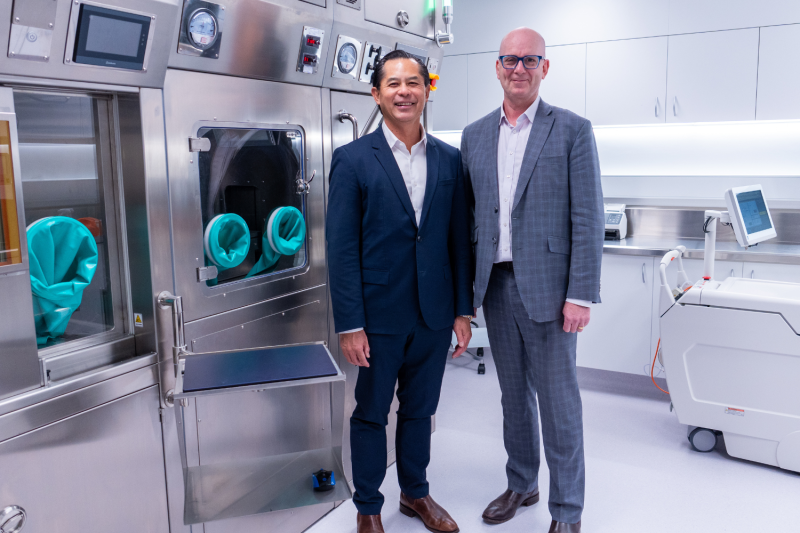
Victorian cancer patients will soon have access to more personalised, precise and potentially safer immunotherapy treatments, thanks to the launch of a new centre at The Alfred.
The Australian Cancer Research Foundation (ACRF) Centre for Dynamic Immuno‑Oncology (CDIO) marks a significant boost for research into immunotherapy, a treatment that boosts or alters the body's own immune system to help it recognise, attack and destroy cancer cells.
The CDIO, based at The Alfred’s Paula Fox Melanoma and Cancer Centre, is supported by funding from the ACRF ($2 million) and the National Imaging Facility ($700,000), and will use advanced imaging and cellular‑level immunology tools to understand a patient’s immune response in real time.
This includes leveraging the existing state-of-the art infrastructure at The Alfred, including the $24 million Quadra PET/CT scanner, one of the most advanced scanners of its kind globally.
“By combining advanced imaging technology with cutting-edge tools to study cancer immunology at a cellular level, we will gain unprecedented insights into how immunotherapies work, ushering innovations and a new era in cancer treatment,” Director of Oncology at The Alfred, Prof Shackleton said.
“Our real-time monitoring will not only improve the effectiveness of these therapies but also help identify and prevent potentially debilitating side effects before they occur.”
Bayside Health Alfred Chief Executive, Adjunct Professor Simone Alexander, said the CDIO strengthens Victoria’s position as a global leader in the field, heralding the next generation of precision and individually-tailored cancer care.
“The clinicians and researchers here at The Alfred precinct are generating information and evidence that will transform cancer care for patients, with universal benefit for years to come,” A/Prof Alexander said.
She said the centre’s work, in collaboration with researchers from Monash University’s newly established Department of Cancer Medicine, will directly benefit the 1.2 million people living in the Bayside Health corridor, improving access to breakthrough clinical trials and advanced cancer treatments.
“Our collaborative work in immunotherapy will not just benefit local cancer patients, but will mean enhanced access to breakthrough clinical trials and treatment, and ultimately, better outcomes.”